
Therapy for relational trauma, anxiety, depression, insomnia and addictions

I understand how relational wounds profoundly impact the nervous system, shaping how we regulate feelings, relate to others, and view our worth, while affecting daily functioning through negative emotions, altered sensations, and distressing thoughts. It takes immense courage to seek help. Please do not hesitate to reach out; I am here to support you.

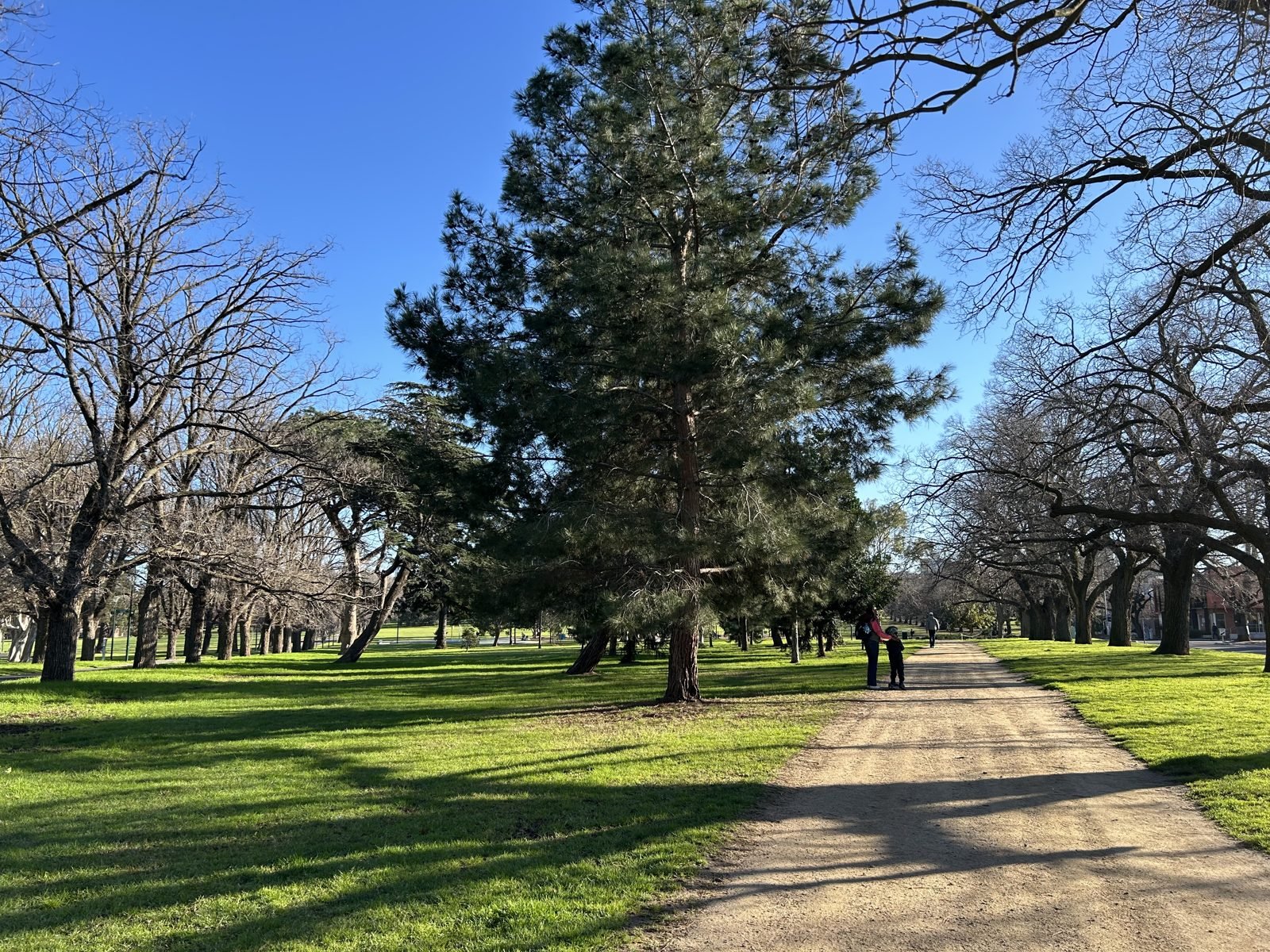
A sunlit park path lined with tall trees under a clear blue sky

How we help

I offer holistic treatment for adults, young people and families, applying an integrative approach to support them to build mind and body awareness, self-connection, compassion and appreciation that create space and energy for healing and rebuilding neuroplasticity.

I hold a compassionate view of psychological distress, as an understandable response to life experience and not a personal weakness. My work is about helping people build insight, emotional capacity, and practical skills, so they can move toward a life with self-energy and confidence.

How wounded experiences can show up

  • Hypervigilance
  • Emotional numbing
  • Avoidance
  • Dissociation
  • Detachment
  • Feeling stuck
  • Defiance

Wounded experiences shape how a person relates to themselves, others, and the world.

How therapy unfolds

1

Understand

We start by exploring what’s brought you to therapy, then decide together the most appropriate way forward.

2

Process

Building our work within an Internal Family Systems (IFS) framework, we look at how the trauma you carry shapes your experience – often surfacing through body sensations, feelings, or thoughts as they arise in sessions.

3

Rebuild

You’ll learn to notice and appreciate what comes to your attention, building the space, self-acceptance and Self-energy connection that support healing – unburdening trauma. Most clients notice a gradual lifting of symptoms within the first few months.

Wellbeing Garden

A young man and woman reading books together in a library

Reading for Pleasure Is Good for Your Brain

A major review from the University of Cambridge links regular reading purely for enjoyment to better memory, greater empathy, and improved mental health across every age group.

Source: Clarissa Brincat, New Scientist, 15 September 2026

Read more


A man and woman standing back to back, both looking tense and withdrawn

Does the Body Really “Keep the Score”?

A new paper offers a different lens on trauma: rather than the body storing it, the brain may keep predicting danger long after it has passed, with real implications for how healing happens.

Source: MaryCatherine McDonald, Psychology Today, 18 May 2026

Read more
Close-up of a person's hands raised near their face

Family Violence: Impact and Recovery

A research brief on how exposure to family violence shapes child development and adult mental health, and what the evidence says about matching treatment to each stage of life.

Read more

About

Portrait of Anne Pan, smiling, wearing glasses

Profile

I am a registered therapist with a background in both psychological science and social work. I am trained in multiple therapeutic modalities, primarily applying IFS, DBT and TF-CBT, and I specialise in relational trauma, PTSD, anxiety and depression.

My approach is integrative, collaborative and flexible, while also structured and goal-oriented where it helps. I’m here to support you in understanding the roots of your difficulties, building greater internal awareness, and making step-by-step changes toward a healthier relationship with yourself and others, as well as your day-to-day functioning.

I see the therapeutic alliance as the most important part of this work, and I value creating a space that’s authentic, respectful, and safe.

Registration
Registered therapist. Registered member of the Australian Association of Social Workers (AASW)
Background
Psychological science and social work
Experience
7 years working with children, adolescents and adults
Works with
Children, adolescents and adults
Top expertise
Issues
  • Addiction
  • ADHD
  • Anger management
  • Behavioural issues
  • Body image
  • Burnout
  • Coping skills
  • Domestic violence
  • Family conflict
  • Grief
  • Life coaching
  • Life transitions
  • Marital and premarital
  • Parenting
  • Relationship issues
  • School issues
  • Self esteem
  • Self-harming
  • Sleep or insomnia
  • Substance use
  • Video game addiction

Services

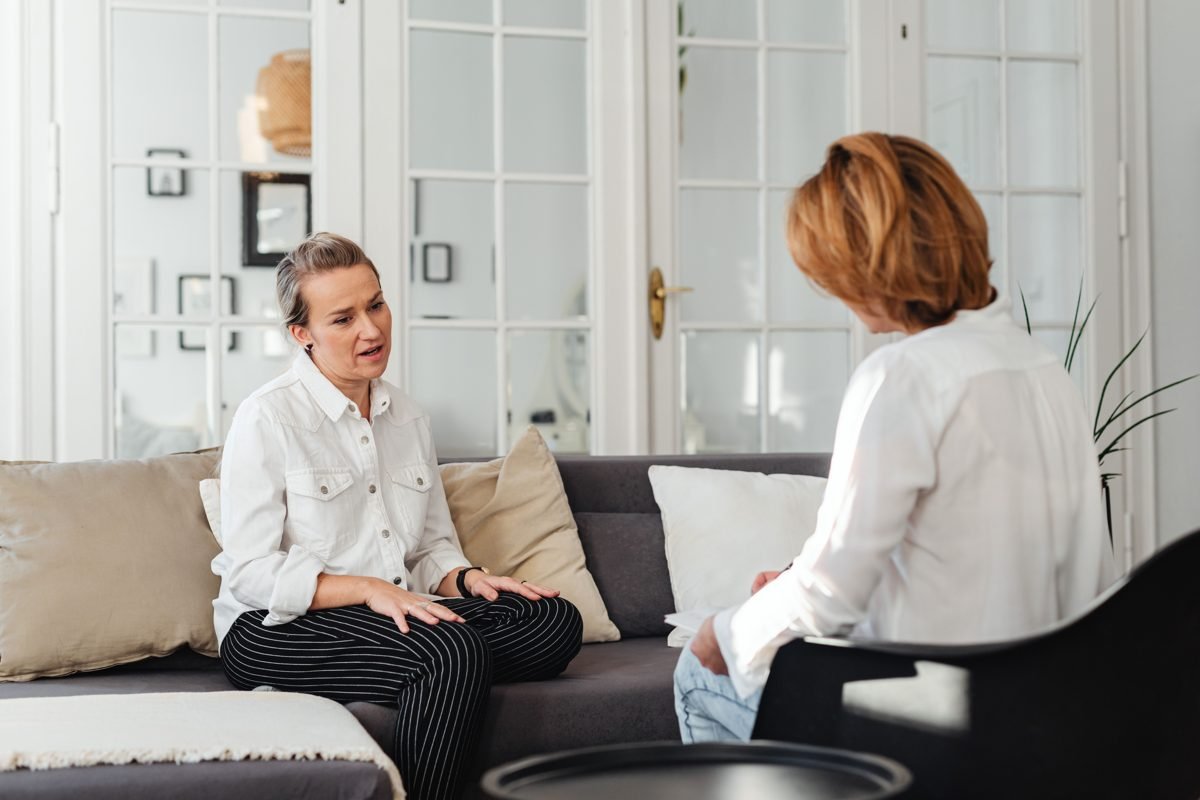
A woman talking with her therapist in a bright, comfortable room

Individual session

A private, steady space to slow down and make sense of what’s been hard to carry alone. Sessions typically run 50–60 minutes, paced to what feels manageable for you, drawing on IFS, DBT or TF-CBT as needed.

A group of peers taking part in a shared movement and yoga class

Group session

Small groups of participants working through similar concerns, in a structured, confidential format. Groups typically run for 6 to 12 sessions and combine psychoeducation with practical skills practice.

A therapist talking with a parent and teenager seated together on a couch

Couple/Family session

Couple and family sessions bring partners, or parents and young people, into the room together to work through shared concerns, in a structured, confidential space, tailored to what you need right now.

Group programs

Structured programs for young people navigating specific, common challenges, run in small groups over a set number of sessions, with parallel support for parents. Places are limited – get in touch to ask about the next intake.

A diverse group of people of different ages, spanning a child to adults, all absorbed in their phones

Digital Wellbeing Group Therapy

A 12-session online program addressing digital addiction in both adolescents and their parents, alongside the trauma-related wellbeing and relational issues that often sit underneath it. Run as two parallel tracks – 8 sessions for young people aged 12 to 16 and 4 mirrored sessions for parents and caregivers – the program integrates DBT within an IFS framework. The group explores what a young person’s relationship with their device might be protecting them from, while parents examine both their own digital habits and the same question from their side – building emotional safety in the family system without requiring young people and parents to be in the room together. An optional, low-pressure joint session closes out the program for families who’d like it, as participants are expected to have a healthier relationship with digital devices and with family by the time the program concludes.

Approach

My therapy draws primarily from Internal Family Systems (IFS) Therapy, Dialectical Behaviour Therapy (DBT), and Trauma-Focused Cognitive Behavioural Therapy (TF-CBT), along with somatic and mindfulness-based approaches that centre on bodily awareness. I also draw on Attachment-Focused EMDR as an adjunct where it’s helpful.

I place particular emphasis on emotional awareness grounded in bodily experience, self-compassion, and access to Self-energy, alongside values-based action, psychoeducation, and structured skills training. I hold authenticity, respect and safety as central to every session.

  • Internal Family Systems (IFS)
  • Dialectical Behaviour Therapy (DBT)
  • Trauma-Focused CBT (TF-CBT)
  • Somatic and mindfulness-based approaches
  • Attachment-Focused EMDR (adjunct)

Service fee

  • Individual session, 60 minutes$128
  • Couple/family session, 90 minutes$168

Concession rate: available if you hold a health card or pensioner card. Please mention this when you get in touch.

Availability

Sessions are offered in office, outdoors in nature, or online.

  • Weekdays10am to 1pm
    3pm to 8pm
  • Saturday10am to 1pm

Contact

Location

450 St Kilda Road
Melbourne VIC 3004

Contact number

0406 286 268

Call to book

Email

mindaccessau@gmail.com

Send a message